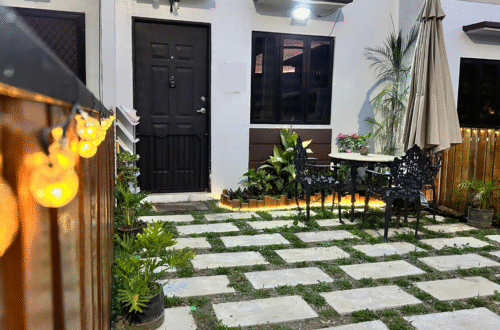
They say you should not wait until you are financially ready to buy a house because you will never be. The longer you delay, the more expensive property becomes as real estate appreciates year after year. If you don’t act now, you may find yourself even less able to afford one in the future. After assessing my situation honestly, I felt that I was finally ready to take the leap.
Setting Realistic Expectations
Before I begin looking, I set realistic expectations for my first home. I didn’t want a very big house because, first, I couldn’t afford one, and second, I didn’t need one. I just wanted a simple house I could call my own, something that would give me a sense of pride and accomplishment.
My goal was to move out of my parents’ house but stay close enough to visit easily. Since I work in Dasmariñas, I focused my search there. As much as I dreamed of building a house from scratch, I didn’t have the time or financial capacity to do so. Given my situation, looking for pre-selling houses in subdivisions became the most practical option.
In December 2020, I began my house hunt: browsing online, listing addresses, and visiting properties during my free time. I even looked into foreclosed properties from Pag-IBIG. However, since Dasmariñas is a first-class city and already gentrified, I struggled to find the right fit. The houses I saw were either outside my budget, already sold out, or just didn’t feel like “home.”
The “Aha!” Moment
One day, after an ocular visit, I was driving home, tired and feeling hopeless, when the subdivision signage along the highway caught my eye. Almost instinctively, I turned toward the access road and drove into the sales office. The place felt warm, welcoming, and inviting.
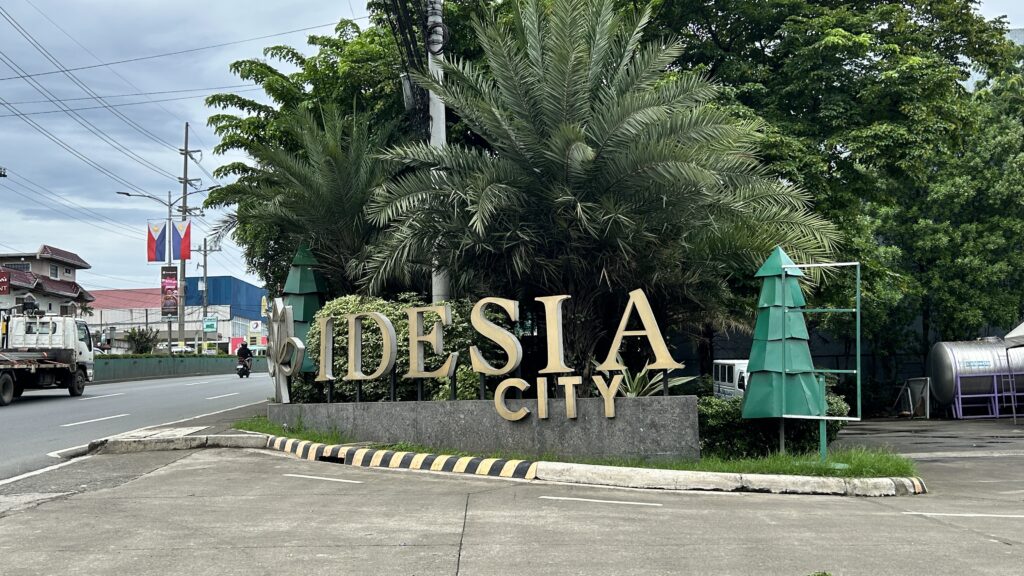
A sales agent, Mr. Honey Boy, or Sir HB for short, assisted me and accompanied me on a site visit. The main entrance to the village proper was about 800 meters away from the highway. From there, we drove along a tree-lined boulevard for roughly three minutes. That short drive created a sense of seclusion and exclusivity, even though the subdivision sits near Pala-Pala, one of the busiest commercial hubs in Dasmariñas.
Idesia is a joint residential development of P.A. Properties and Hankyu Hanshin Properties Corp. What drew me in was how thoughtfully the entire 11-hectare property was planned. The landscape, open spaces, and amenities were designed not just for aesthetics, but for everyday living, encouraging wellness, quiet moments, and simple bonding with family and neighbors.
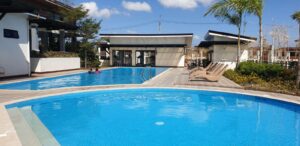
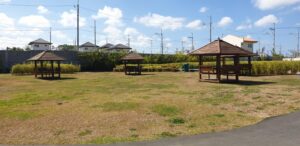
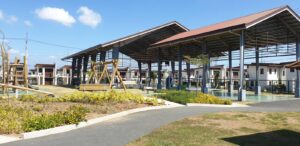
Despite being close to a busy commercial area, the neighborhood felt calm and intentional. There was a sense of order and breathing space that made it easy to imagine a slower, more grounded way of living. In that moment, I just knew — this was the place.
House Models and Pricing (2020)
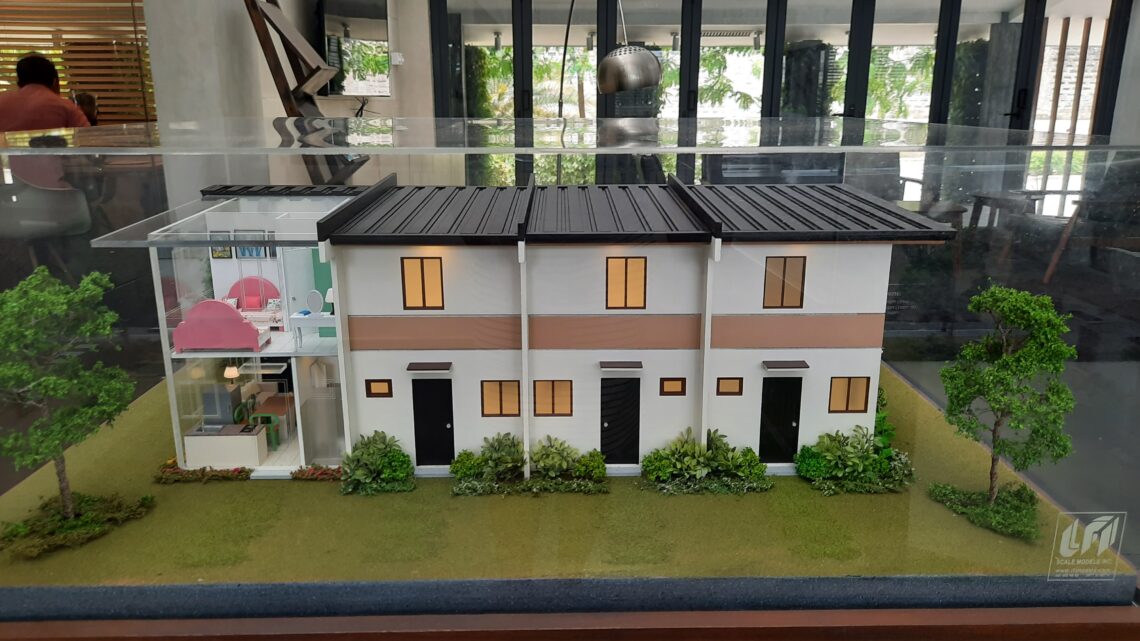
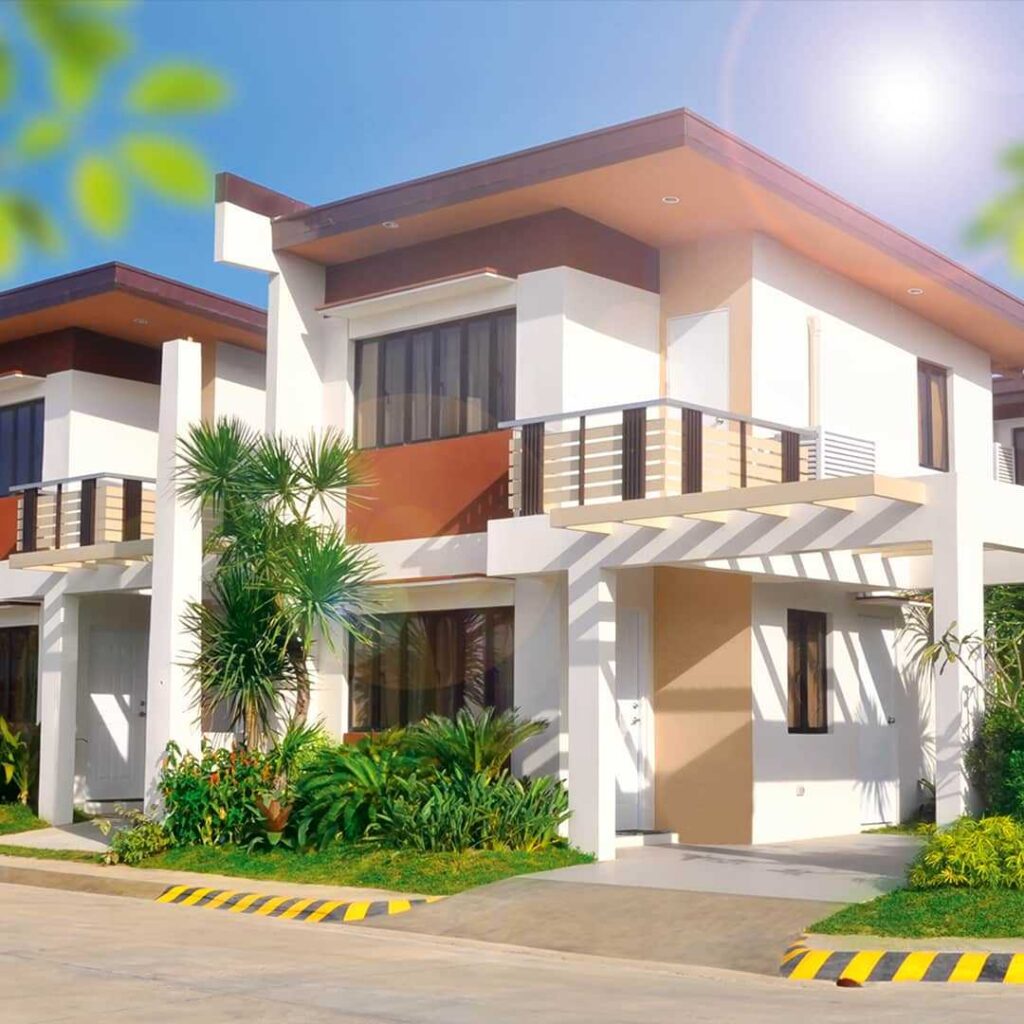
Idesia offers three house models: Gaia, Talia, and Aria. Each design carries modern Asian influences paired with contemporary architecture, and all are planned with flexibility in mind, allowing homeowners to gradually personalize their spaces as their needs and resources grow.
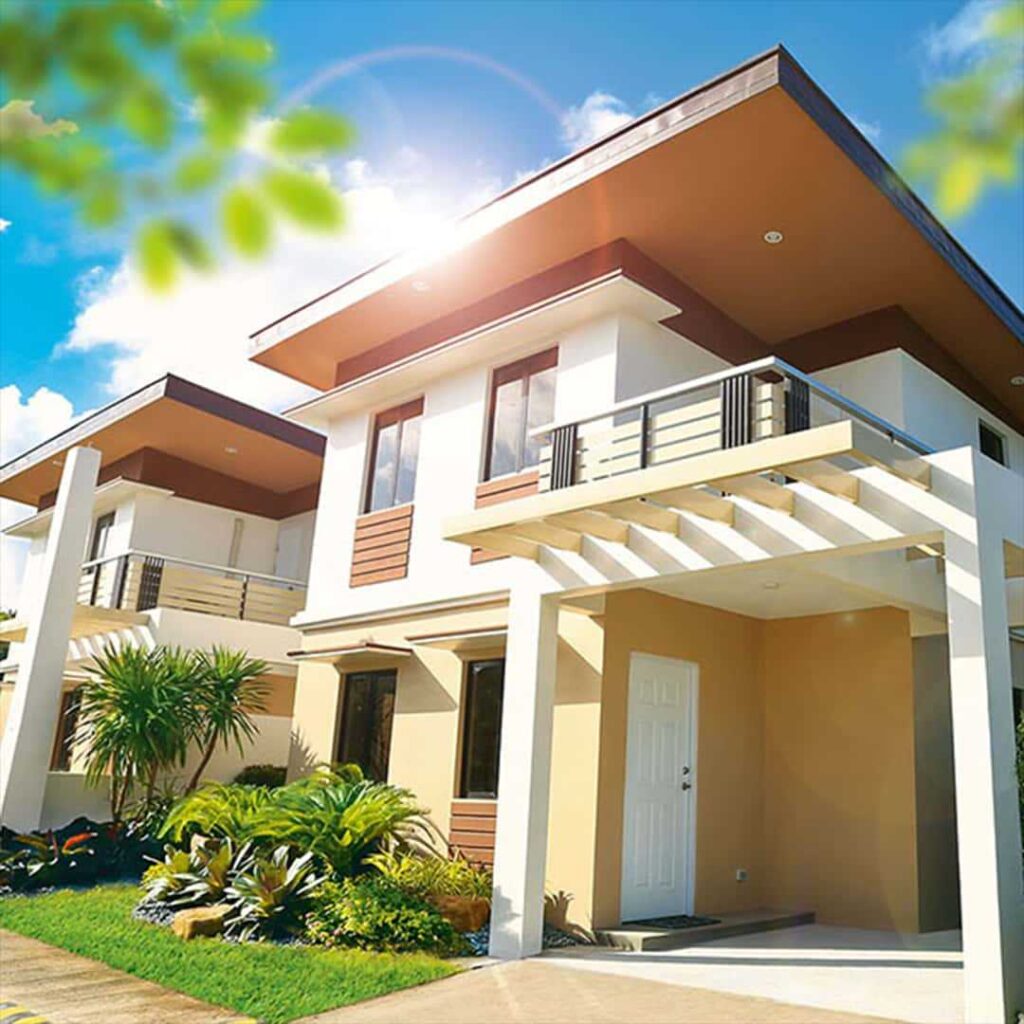
Gaia – Single Detached
Lot Area: 100 sqm
Floor Area: 63 sqm
Total Contract Price: ₱4,880,640
Talia – Single Attached
Lot Area: 80 sqm
Floor Area: 52.25 sqm
Total Contract Price: ₱4,085,799
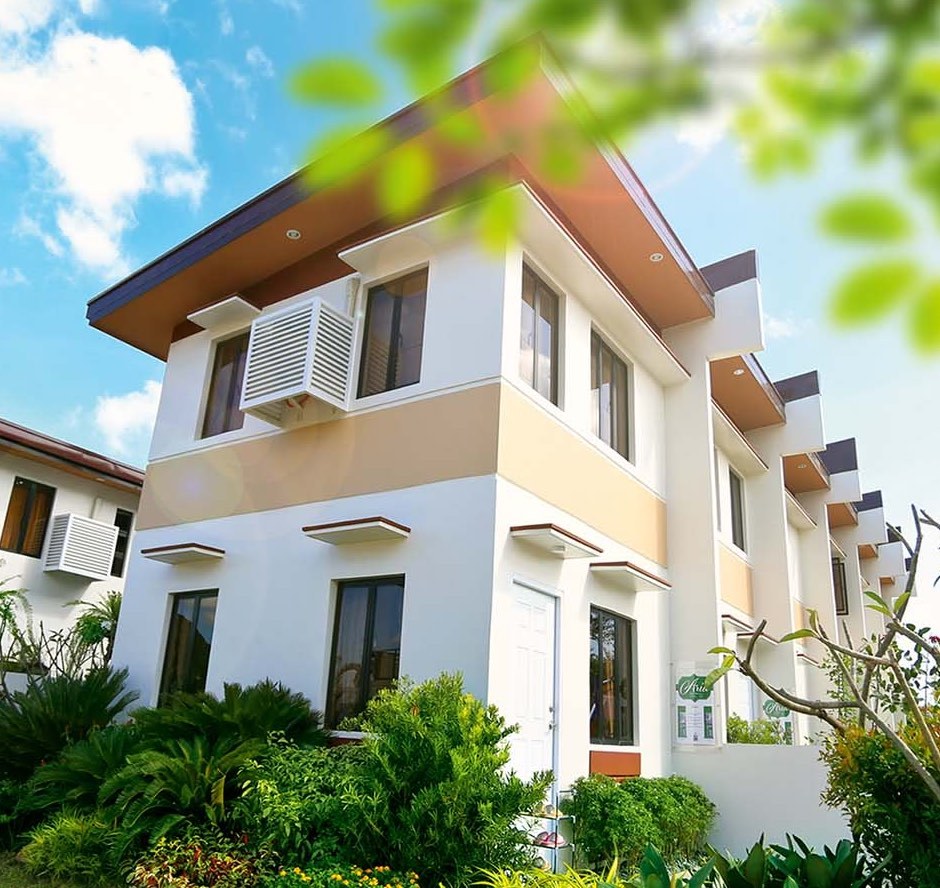
Aria – Townhouse
Lot Area: 60–90 sqm
Floor Area: 42 sqm
Total Contract Price: ₱2,428,103
Among the three, I was immediately drawn to Gaia and Talia. Both models have balconies, which I loved. There was something about having that extra outdoor space that made them feel more open and complete. However, when I looked closely at the total contract price and the required monthly income, I had to be honest with myself. While I admired these models, they were beyond what I could comfortably afford at the time. In the end, I chose the Aria model, a townhouse with a smaller lot and floor area.
Pre-selling vs. Ready-for-Occupancy (RFO)
Sir HB explained that there were only two pre-selling units left, while the rest of were ready-for-occupancy (RFO) units. A pre-selling unit means the house is still under development and will be turned over at a later date, usually with a more flexible payment timeline. An RFO unit, on the other hand, is already completed and can be occupied immediately after turnover and loan approval. Since I wasn’t in a hurry to move in and simply wanted to start investing in a home, choosing a pre-selling unit made more sense for me. It allowed me time to prepare financially while the house was still being built.
The Reservation Process
Sir HB handed me the list of required documents, which I submitted the very next day. About a week later, I received a phone interview from the developer as part of the initial evaluation. After that, I was asked to pay the ₱5,000 reservation fee to officially secure the unit.
During the assessment, I was informed that my gross salary alone did not meet the required monthly income for the Aria unit. Sir HB then suggested getting a co-borrower so we could combine our gross incomes. I reached out to my siblings and asked if they could be my co-borrowers, and thankfully, they agreed. I then submitted their required documents as well. Throughout the process, he was incredibly helpful and accommodating, patiently answering my questions and assisting me every step of the way. I remain truly grateful for his support and guidance.
Settling the Equity and Signing the Contract to Sell
The developer also asked me to open a savings account with Security Bank, which would be enrolled under an automatic debit arrangement for my equity payments. My equity (down payment), equivalent to 10% of the total contract price, was payable over 18 months. About three weeks later, I signed the Contract to Sell (CTS), marking another milestone in the journey.
From Blueprint to Bricks
While waiting, I made it a habit to visit the property every month to check on the progress and monitor the development. Seeing the unit slowly take shape made everything feel more real. Then, in September 2021, I was informed that the unit was nearing completion and that I needed to submit my requirements for the home loan application, as turnover would be happening soon. That was when the paperwork truly began, and when faith, patience, and finances had to work together more than ever.
My House Hunt Timeline
- December 2020 – Conducted site visits, submitted the required documents for initial evaluation, and paid the reservation fee
- December 28, 2020 – Paid the ₱5,000 reservation fee to secure the unit
- January 2021 – Signed the Contract to Sell (CTS)
- February 2021 – July 2022 – Paid the equity over 18 months while monitoring the property’s development
- September 2021 – Submitted documents for bank loan endorsement as the unit neared completion
- November 2021 – The unit was completed and prepared for turnover
In the next part, I’ll share what the home loan application process was really like, from credit evaluation to approval, and the lessons I learned along the way.
Meanwhile, here’s a timelapse video of my House Hunt Journey.
Youtube video